
Michael Fayard was absolutely Amazing as my counsel!!! I can’t speak enough on the high regard I hold him. He got the outcome that I was hoping but had a...
- Blake Pavey







Florida no longer talks about “custody” in the old sense but instead uses two key terms: parental responsibility (what used to be called legal custody) and time-sharing (formerly physical custody). Parental responsibility covers major life decisions—everything from schooling to medical care—while time-sharing governs when and where your child spends time with each parent. Grasping these definitions is the first step toward crafting an arrangement that reflects both the law and your family’s unique needs.
Parental responsibility and time-sharing work hand in hand. One parent doesn’t necessarily have more power than the other; instead, Florida courts look at how decision-making and parenting time can be divided to serve your child’s best interests.
There are several factors to consider when figuring out child custody, but it is important to remember that the courts look to the child’s best interest when making decisions. Having a Sarasota family lawyer with experience can help present an outcome that not only ensures the best interest of the child standard is met, but also achieves the custody arrangement that you want.
Michael Fayard, Attorney at Law can help you reach your custody and child support goals that satisfy the “best interest” standard. Child custody attorney Michael Fayard will fight any inequitable notions that won’t benefit you or your children.
Instead of using terms like custody or visitation, the courts generally discuss these concepts by referring to them as “time-sharing” and “parental responsibility.” The courts try to reach the fairest result that ensures the child’s best interest by permitting both parents to have time with the child.
And through a parenting plan, which is just an order by the court that the parties usually create, each parent’s parental rights and duties are delineated. Examples of parental rights include school decisions, after-care, medical decisions, and extracurricular activities.
Parents can create their own parenting plan, whether by agreement by themselves, through their attorneys, or through formal mediation. But if they can’t reach a decision, the court handling their divorce will create a plan for them and order the parties to comply.
If the court decides on a parenting plan, it will craft a plan that attempts to suit any shared children’s best interests. Florida law posits that parents should get equal time with their children if there isn’t a legal reason they should be excluded, but there’s no standard to say one parent will get preference over the other.
The plan must cover how parents will split daily tasks, time-sharing arrangements, health care, school-related matters, and how parents will communicate with the children.
In a custody case, courts review parents’ ability to:
Judges will also consider the geographic distance between households, either parent’s mental or physical health conditions, and how well the parent knows their children’s lives, like their teachers, friends, or interests.
A judge may also ask children their preferences for a parenting plan but will weigh those choices against their age and maturity.
Sometimes, a judge may deny parents equal custody or visitation altogether. If one of the parents has been convicted of domestic violence in the past or of any sexual assault crimes against a minor, the judge will probably not permit any shared time. They may still be responsible for some child support, however.
A Florida child custody attorney can explain how custody might be split if you can’t reach an agreement with your ex-partner.
Child support payments are decided differently from custody. The parent with less time caring for the shared children often makes child support payments to the parent who watches the children more.
The court will calculate the amount of support owed after considering several factors based on a guideline worksheet. It will decide what’s best for the children by looking at their age, “station in life, standard of living, and the financial status and ability of each parent.” Even though the child support worksheet is called a “guideline,” it is actually mandatory in every case involving children and custody.
When the court calculates the amount of each payment, it evaluates each parent’s monthly income, looking at things like salary or wages, bonuses, business income, disability benefits, workers’ compensation settlements, pension, retirement, or annuity payments, interest and dividends, or even rental income.
In some instances, the court may estimate the monthly income of one parent or even impute income to a parent. For example, if the parent isn’t cooperating with the child support hearings, won’t provide their financial information, or is unemployed or underemployed, the court could rule that the offending party is responsible for some level of income they might not currently have but can earn.
Navigating child support payments can be complex alone, so relying on someone with knowledge and expertise in Florida family law is crucial to providing a stable life for your children.
After a separation or divorce, things can change for families. Some parents may get new, better-paying jobs or be in an accident that leaves them unable to provide the same care as before.
If something changes in your life to affect your ability to parent, you can return to the court that established your parenting plan to change it. If your income or earning potential changed or your ex-partner got a raise, you might also be able to get your child support payments changed.
In Florida law, child support payments generally last until the child turns 18 (or 19 if the child is still in high school), but these payments can continue for much longer in the case of special needs children.
Check with our Florida child support lawyers to decide if you should return to court for a change in your parenting plan or support payments.
Navigating the custody process in Sarasota County can feel overwhelming, especially when emotions are running high. On average, a typical case takes between 6 and 12 months from start to finish. During that time, you’ll move through several key stages—from filing paperwork to the final hearing—each guided by Florida law and local Sarasota procedures. Understanding what lies ahead helps you and your attorney plan effectively and stay one step ahead of potential roadblocks.
Every custody case begins with a petition. Depending on your situation, you’ll file either:
Along with the petition, Sarasota County requires these documents:
Current filing fees range around $409, though fees can change—check the Sarasota County Clerk’s website before submitting. After filing, you must serve the other parent with copies of the petition and all attachments. Service can be handled by the sheriff’s office or a private process server. Once proof of service is on file, the case officially moves forward.
Florida law emphasizes resolving parenting disputes outside the courtroom whenever possible. Sarasota County follows these requirements:
Tips for success:
While mediation and courses are pending, you can ask the court for temporary relief:
Common interim issues include setting a basic visitation schedule, establishing temporary support amounts, and imposing mutual no-contact orders. These orders stabilize your child’s day-to-day life while the case unfolds.
The journey culminates in a final hearing, where both sides present evidence and witnesses. To prepare:
In court, dress professionally, arrive early, and address the judge respectfully (“Your Honor”). Witnesses should practice concise testimony and expect questions from both sides. After closing arguments, the judge issues a written custody order outlining parental responsibility and time-sharing. This order is legally binding and enforceable through the Sarasota County Circuit Court.
By understanding each step—from filing the petition to the final hearing—you and Attorney Michael Fayard can move forward with confidence. Next, we’ll explore how a skilled Sarasota child custody attorney crafts personalized strategies to protect your rights and your child’s best interests.
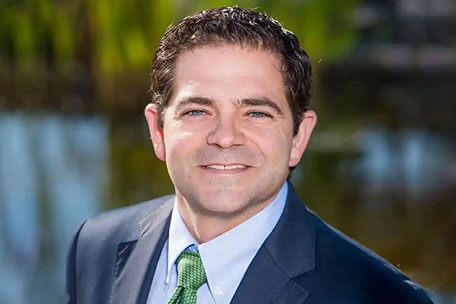
Talk to a Sarasota Divorce Lawyer Today
Understanding legal fees upfront helps you budget and avoid surprises. In Sarasota, child custody attorneys typically charge:
At Michael Fayard, Attorney at Law, you benefit from a free, no-obligation initial consultation with Attorney Michael Fayard. That meeting lets you discuss fees, payment plans, and which services are included before committing to representation.
There’s no automatic advantage for mothers or fathers in Florida custody disputes. Judges apply the “best interests of the child” standard, focusing on factors like parental stability, cooperation, and each parent’s ability to meet the child’s needs. Rather than gender, courts look at:
Building a case around these factors, rather than relying on stereotypes, gives you the strongest footing.
Florida courts may consider a child’s preference, but it isn’t the deciding factor. Key points include:
Generally, a teenager—often age 12 or older—has more weight in expressing a preference. Younger children’s wishes are noted but carry less influence under Section 61.13.
Custody cases are emotional, and small missteps can hurt your position. Common pitfalls include:
To protect your case, make a point to:
On average, a straightforward custody case in Sarasota County moves from petition to final order in about 6 to 12 months. The timeline varies based on:
Working closely with your attorney to meet deadlines and streamline evidence gathering helps keep your case on track and minimizes delays.
While all cases are unique, you’re not alone if you’re fighting for custody of your children or getting payments to take care of them. Having someone in your corner who knows Florida family law and can help you make the best decisions for you and your children.
Attorney Michael Fayard of Michael Fayard, Attorney at Law, is the Florida family law expert you should turn to for help in your custody and child support case. He’s got the knowledge and experience you need to answer your questions and work toward the best outcome for your family.
Call (941) 306-1310 or use the online consultation form today and speak with a child custody attorney in Sarasota today.
Michael Fayard was absolutely Amazing as my counsel!!! I can’t speak enough on the high regard I hold him. He got the outcome that I was hoping but had a...
- Blake Pavey
After an accident, my daughter and I came to see Michael Fayard (Michael Fayard, Attorney at Law) with many questions, and misperceptions about what was customary, fair and frankly what...
- Jeffrey Moyer
Michael Fayard being a fellow veteran and a outstanding lawyer. He helped me out when I was in a hard place and did a exemplary job. I absolutely would recommend...
- John Harden
Michael has been handling my case for almost 2 months now he has opened his mind and heart in the matter and he honestly saved my life by just alone...
- D.F.
He was able to handle my case and throughout the whole thing keep me informed so I never felt left out of the loop. After everything was fix and settled,...
- Justin
Michael was fast, efficient and to the point. I really appreciated Michael's no nonsense approach to my issue. Thank you Michael and I look forward to doing future business with...
- Thomas
I have consulted with Mr. Fayard on several occasions and have found him to be very helpful and the ultimate professional. I highly recommend him. - Joe Palermo, President/Palermo Design...
- Joe Palermo
Michael is very knowledgeable about his areas of practice. He has been able to help me on a couple of occasions with some personal legal advice. Great guy to work...
- Lamar Brantley
Thorough, persistent, & resolute is the way I would describe Michael Fayard, Attorney at Law. Michael is by far the most understanding attorney I have ever dealt with. I would...
- Matt Owen
Called Michael and he returned my call in under five minutes. I was never in this situation before and I let my fears get the best of me. When Michael...
- J.S.
Very responsive! Great work! - Jay Magnutech
- Jay Magnutech
Simply professional! - Richie Allen
- Richie Allen
The consummate professional Michael and his team really because your advocate. We would trust anyone else with our legal needs. We have used Michael for many years, and we know...
- Earl Kelly
Michael is great. He is always responsive, practical and is a straight shooter. Would recommend to anyone. - Bryce Woodyard
- Bryce Woodyard
Great job. Definitely will use them again if the need arises. - Bill Winkler
- Bill Winkler
Mr. Fayard was amazing!!! Handled our issue quickly and with ease. I would recommend him to everyone! Honest, reliable, courteous, kind, caring of our needs and just a fantastic experience!!...
- Julie Hardie
We have used Michael for personal matters and business matters. He has always handled things quickly and professionally. If we ever need an attorney again, we will definitely call him....
- Maxine Lewis
After an accident, my daughter and I came to see Michael Fayard (Michael Fayard, Attorney at Law) with many questions, and misperceptions about what was customary, fair and frankly what...
- Jeffrey Moyer
Michael Fayard helped us navigate an issue with leasing heavy equipment. Thanks to Mr. Fayard our issue was resolved smoothly. We would recommend him to anyone needing a diligent, hardworking...
- Sosa Sod
I find that Michael was very understanding and knowledgeable. He did not promise anything and handled the case well. ..The case also ended well. Thank you! I'm pleased to know...
- Michelle S
I worked closely with Mike over a 1-year period and am impressed with not only with his legal skills, but his strong character. He is the type of lawyer I...
- Mark Simonds
Contact Us Today
Whether you’re dealing with paternity, divorce, child support modifications, or another family law matter, you should have a knowledgeable lawyer. Working with a Sarasota family lawyer will help you get the best possible results for you and your children.
Call (941) 306-1310"*" indicates required fields
